
Surviving the AI Era Requires Critical Thinkers, Not Script Followers
By Talent Match Africa (Featuring Insights from Gerard Holland and Industry Data)
The rapid advancement of Artificial Intelligence is reshaping the global workforce. According to the Remote Talent Business Viability Report, routine roles like data entry, basic customer service, and translation face massive automation risks. Yet, this technological shift has highlighted exactly what businesses do need: human judgment, complex problem-solving, and critical thinking.
This is where the African talent pool is distinctly outperforming traditional outsourcing destinations.
For years, companies relied on “bums on seats” models where offshore workers were trained to rigidly follow scripts. Marco Miranda explains the friction this causes today: “If you want people who are compliant and just simply follow what you ask them to do and don’t challenge, then sure… go to India. If you want people who think for themselves, who are great at problem solving, who are curious… then you go to Africa”.
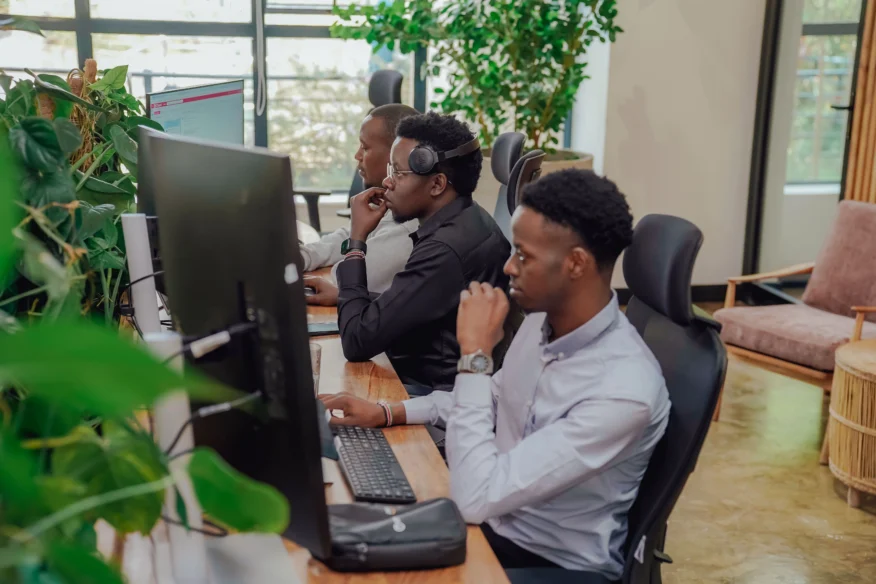
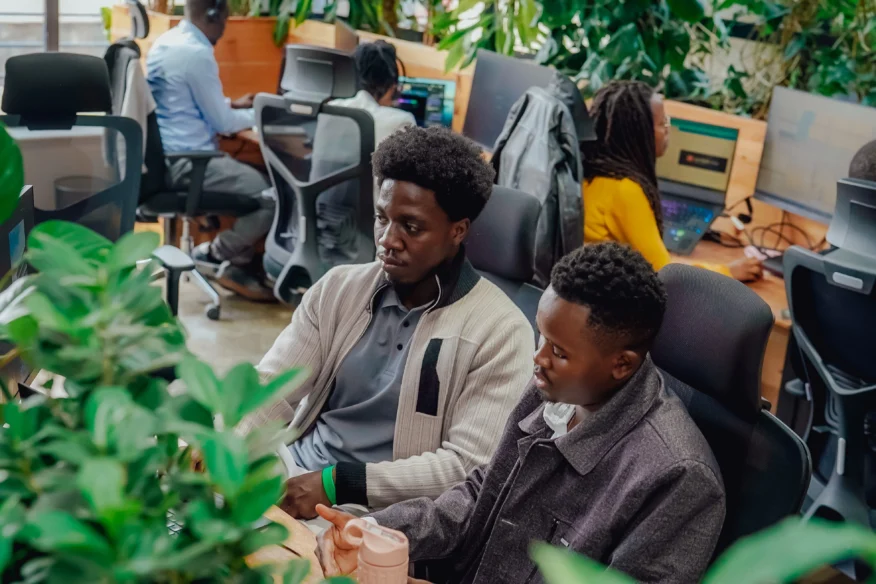
Gerard Holland, Founder of TMA, shares a perfect example of this cultural difference from a New York client who recently replaced their Filipino team with professionals from Kenya. The client noted that their previous team was highly process-driven—if a process required steps A to E, and step C broke, the work stopped. The Kenyan team, however, immediately challenged the norm. Within two weeks, they asked, “If we do G and H, you don’t need to do A to E, why don’t we do this?”. African professionals naturally act as “hustlers” and entrepreneurs, bringing innovation rather than just execution.
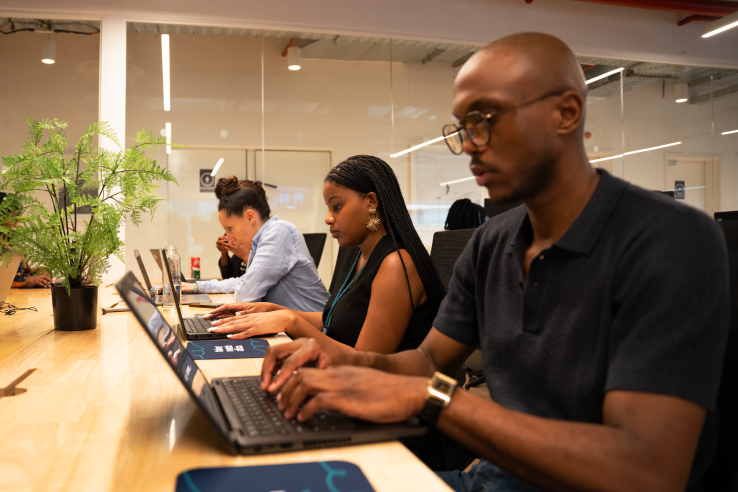
Filling the Digital Skills Gap The World Economic Forum reports that AI and machine learning roles have seen a 54% rise in demand. African hubs, such as Kenya’s “Silicon Savannah,” are producing world-class tech talent to meet this need. Microsoft and Google have already recognized this, investing over $1 billion combined into African development centers.
To survive the AI revolution, businesses don’t need order-takers. They need the highly educated, digitally native, and intellectually curious professionals that Africa is producing by the millions.